
Hydraulic Drive Head Repair
Expert Hydraulic Drive Head Repair:
Minimize Downtime, Maximize Power
Lost torque means lost revenue. Trust our team for precision hydraulic drive head repairs that restore OEM-level performance to your heavy machinery. Click for fast service.
30
Years in service
24hr
Emergency response
All Major Brands
Serviced & Rebuilt
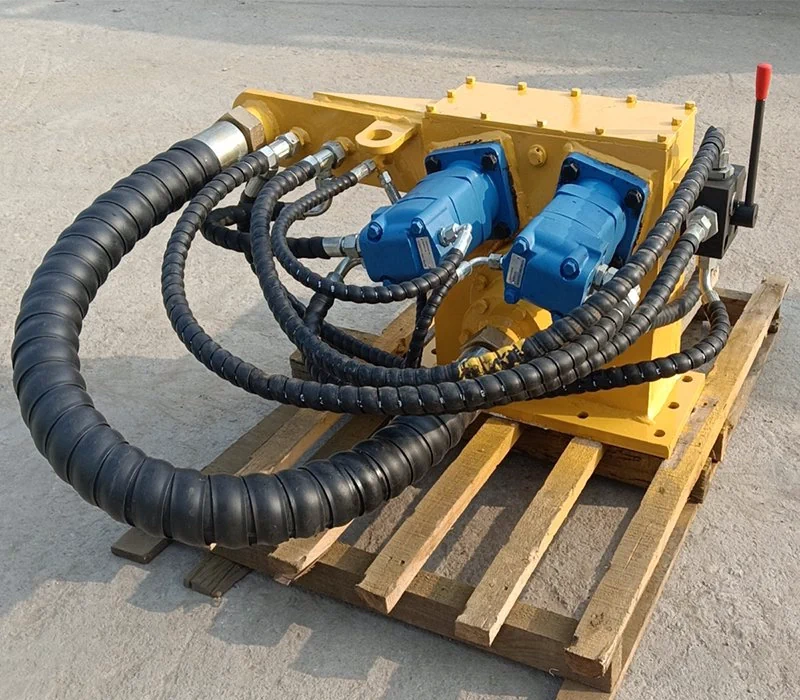
Hydraulic Repair & Rebuild for Drilling Rig Head Drives
We provide hydraulic testing, rebuilding, and custom machining for drilling rig components serving operators throughout Denver, the DJ Basin, and the broader Front Range.
Drilling operations depend on hydraulic systems that run under extreme pressure, heavy cyclic loading, and harsh field conditions, often far from a service center. When a rotary head, hydraulic motor, or power unit starts losing performance, the cost of downtime on an active rig far exceeds the cost of repair.
Equipment We Service
Rotary/drill heads — the hydraulic motors and gearboxes driving rotary heads on water well, geothermal, and exploration rigs see constant high-torque cycling and are among the most common rebuilds we handle. Worn bearings, scored gear sets, and seal failures from drilling fluid contamination are typical.
Top drive hydraulic systems — hydraulic motors, valves, and actuators within top drive assemblies that control rotation, hoisting, and makeup/breakout functions.
Mud pump hydraulics — hydraulic drive motors and control circuits on mud pump systems, where contamination from drilling fluid is a leading cause of premature wear.
Feed and pulldown cylinders — hydraulic cylinders responsible for applying down-pressure and controlled feed during drilling, subject to high side-load and contamination.
Hydraulic power units (HPUs) — pumps, motors, valves, and manifolds that supply the entire rig’s hydraulic circuits, often running continuously in dusty, high-vibration environments.
Winches and hoist drive motors — hydraulic motors used in wireline, casing, and auxiliary hoist systems on smaller rigs.
Diagnostic Testing
Every component that comes into our shop is tested on our hydraulic test bench before any work begins, establishing baseline flow, pressure, speed, volumetric efficiency, and case drain rate. This pinpoints whether the issue is internal wear in a gear set, motor, valve, or cylinder, and whether a rebuild will restore full performance or replacement is the smarter path. After rebuild, every unit is bench-tested again against OEM specifications before it ships back to the field.
Common Failure Modes
Drilling fluid and abrasive cuttings are the primary enemy of hydraulic components on a rig. We commonly find internal leakage from worn gear sets or piston/cylinder clearances, scored valve plates and gear faces, shaft seal failure from contamination ingress, worn bearings causing shaft play and vibration, and cylinder rod scoring or seal extrusion from side-loading. Front Range temperature swings — hot summer days followed by sub-zero nights — also stress seals and fluid viscosity, particularly on rigs that sit idle between jobs.
Custom & OEM-Spec Machining
Many drilling rig components are specialized, older, or built by manufacturers no longer in business. When parts aren’t available off the shelf, we machine new components in-house — shafts, gear sets, valve plates, housings, cylinder rods, and wear plates — manufactured to OEM tolerances. This keeps rigs running without weeks of downtime waiting on hard-to-source parts.
Our Rebuild Process
Every component receives a full teardown and inspection, cleaning and parts evaluation, machining or sourcing of replacement parts, precision reassembly with new seals, bearings, and wear components, and final bench testing to confirm performance meets or exceeds OEM specifications.
Just 15 Minutes North of Denver
15 minutes north of Denver on Hwy 85 just north of Brighton. A premium industrial hydraulics maintenance shop with full machining capabilities testing facility We can provide detailed reports with recommendations for preventive maintenance.
Frequently Asked Questions
How do I know if a rotary head or hydraulic motor needs a rebuild vs. replacement? Bench testing tells the real story. If wear is limited to seals, bearings, and standard wear components, a rebuild typically restores full performance at a fraction of replacement cost. If castings or major structural components are damaged, we’ll discuss replacement options.
What are signs of a failing hydraulic component on a drilling rig? Loss of torque or rotation speed, overheating, unusual noise or vibration, fluid leaking from case drains or rod seals, and inconsistent feed pressure are common early warning signs.
Can you rebuild components for older or out-of-production rigs? Often, yes. Our in-house machining lets us manufacture replacement gear sets, shafts, valve plates, and cylinder components when OEM parts are no longer available.
How long does a rotary head or hydraulic motor rebuild take? [Insert typical turnaround time]
Do you offer field pickup for rig components? [Insert pickup/delivery and field service details]
What’s included in your bench testing? We test flow, pressure, speed, volumetric efficiency, and case drain rate both before and after rebuild, confirming performance against OEM specifications.
What areas do you serve? We serve Denver, the DJ Basin, Greeley, Fort Collins, Colorado Springs, and the broader Front Range drilling and energy sector.
Meta Title: Hydraulic Power Unit & Rotary Head Repair Denver | Oil Rig & Drilling Equipment
Meta Description: Specialized hydraulic repair, testing, and custom machining for rotary heads, top drives, and drilling rig hydraulic systems across Denver and the Front Range. Bench-tested to OEM spec.