
Hydraulic Cylinder Repairs
Get Your Equipment Moving Again
Restore Power, Eliminate Downtime
Don’t let a blown seal halt your operations. Get fast, reliable industrial hydraulic cylinder repairs backed by expert technicians and quick turnaround times. Request a quote today!
30
Years in service
24hr
Emergency response
All Major Brands
Serviced & Rebuilt
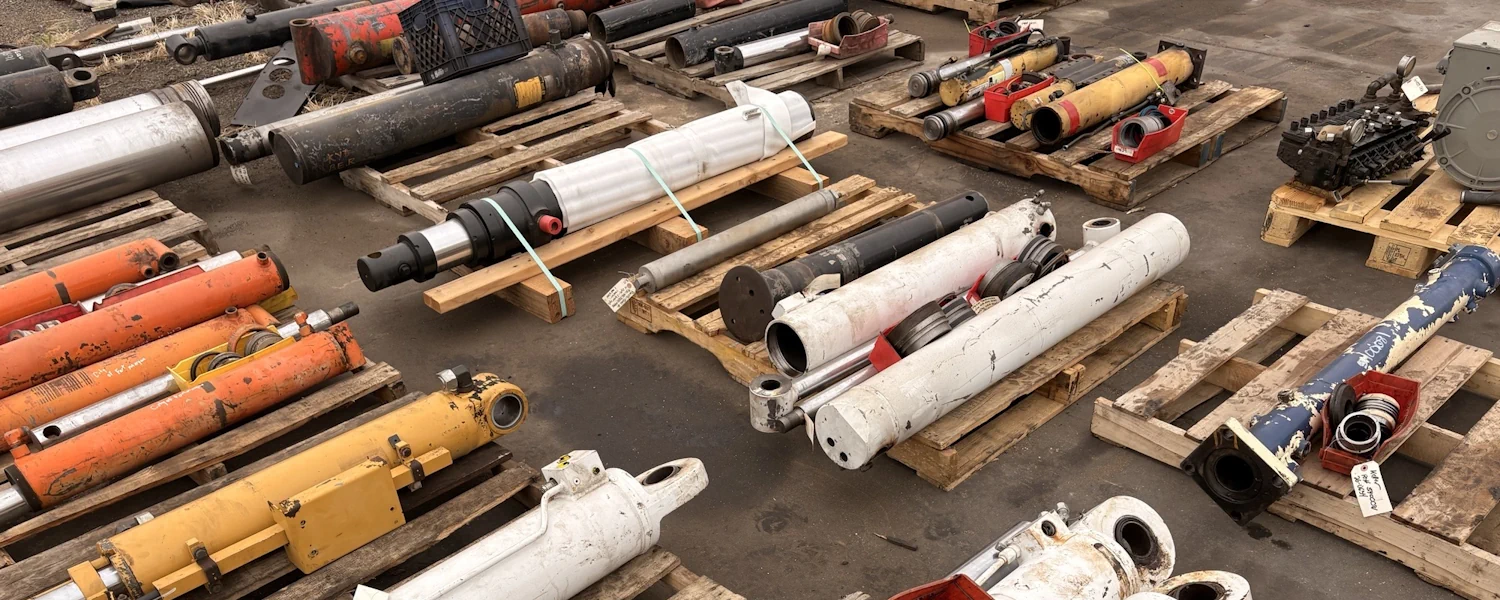
Hydraulic Cylinder Repair and Rebuild
Hydraulic cylinders and the systems that power them are the muscle behind aerial work platforms, dump trucks, side dump trailers, and crane trucks. When a cylinder starts drifting, leaking, or losing lift force, the cause is almost always internal wear.
On equipment that operates at height or under heavy load, that wear is a safety issue as much as a performance one.
We provide complete hydraulic cylinder repair, system diagnostics, rebuilding, and in-house custom machining for fleets, contractors, crane operators, and trucking companies throughout Denver and the Front Range.
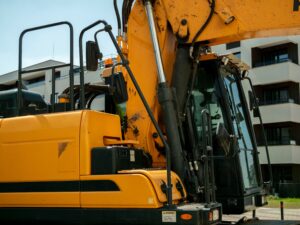
Boom Lift Cylinders
Boom lift cylinders — whether on telescoping booms, articulating booms, or scissor lifts — operate under demanding conditions: extended periods at full extension, side-loading during articulation, and exposure to weather and jobsite debris. Over time, this leads to a handful of predictable failure points.
Common boom lift cylinder issues include rod seal leakage causing the platform to drift or “settle” over time, scored or pitted cylinder rods from contamination or impact, worn rod bushings causing side play and uneven wear, internal bypass past the piston seal reducing lift force, and cracked or worn pivot pin bores at the cylinder ends.
A drifting boom isn’t just an inconvenience — on a platform working at height, drift directly affects operator safety and is often flagged during inspections. We disassemble each cylinder, inspect the rod and bore for scoring or out-of-round wear, machine or hone the bore when needed, replace all seals and wear rings with OEM or OEM-equivalent components, and pressure-test the rebuilt cylinder before it’s returned to service.
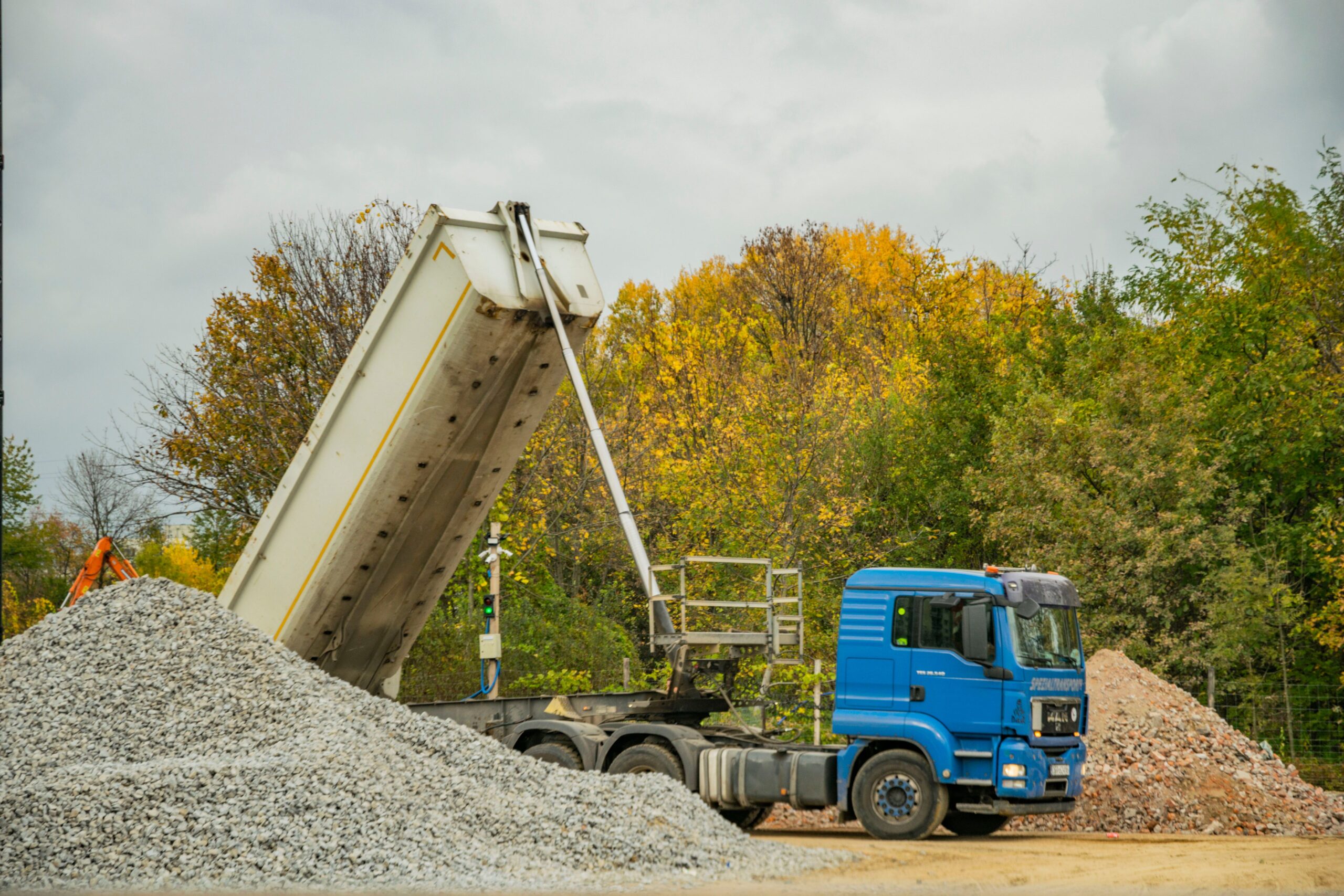
Hydraulics on Dump Trucks
Common boom lift cylinder issues include rod seal leakage causing the platform to drift or “settle” over time, scored or pitted cylinder rods from contamination or impact, worn rod bushings causing side play and uneven wear, internal bypass past the piston seal reducing lift force, and cracked or worn pivot pin bores at the cylinder ends.
Dump truck hydraulic systems take a beating — full hoist cycles multiple times a day, heavy and sometimes uneven loads, and exposure to road grime, salt, and temperature extremes throughout a Front Range winter. We service the full hydraulic system on dump trucks, not just the hoist cylinder.
Hoist cylinders are the most common rebuild we see on dump trucks. Telescopic and single-stage hoist cylinders both experience rod seal wear, scoring from debris that gets past wiper seals, and internal leakage as piston seals age — all of which show up as a bed that won’t fully raise, won’t hold position, or drops under load.
Hydraulic pumps and PTOs that drive the hoist system are also common failure points, particularly on trucks that cycle the bed frequently throughout the day. We test pump output flow and pressure to determine whether reduced lift speed is a pump issue, a valve issue, or a cylinder issue — an important distinction, since replacing the wrong component doesn’t fix the problem.
Control valves — whether cable-operated, air-shifted, or electric-over-hydraulic — wear internally over time and can cause slow operation, drift, or failure to shift between raise, hold, and lower positions.
We also inspect and service hydraulic reservoirs, filtration, hoses, and fittings, since contamination from a failing filter or degraded hose is one of the most common root causes of repeat cylinder failures.
Hydraulics on Side Dump Trucks & Trailers
Side dump trucks and trailers add a layer of complexity beyond standard end-dump hydraulics: dual or multiple cylinders working in tandem to rotate the bed or trailer body to one side, often combined with a separate ejector or gate cylinder. Because these systems rely on cylinders moving in coordination, wear in one cylinder often shows up as uneven dumping, a body that hangs up partway through its cycle, or a load that doesn’t fully clear.
Common side dump hydraulic issues include mismatched cylinder wear causing the body to rotate unevenly, rod seal leakage on tilt cylinders leading to drift when the body is raised, pivot point and trunnion wear affecting how evenly load is distributed across cylinders, and valve or flow divider issues causing one side of a dual-cylinder system to move faster than the other.
When rebuilding side dump cylinders, we pay close attention to matching seal kits and clearances across paired cylinders so the rebuilt system operates in sync — a mismatched rebuild on one cylinder of a pair can create the same uneven-cycling problem the rebuild was meant to fix. We also inspect flow dividers and sequence valves, which are often the actual cause of “one side dumps before the other” complaints that get misdiagnosed as cylinder problems.
Hydraulics on Crane Trucks
Crane truck hydraulics combine several demanding systems in one machine: boom extension and lift cylinders, outrigger cylinders, winch hydraulic motors, and rotation/swing systems, all of which need to operate smoothly and predictably for safe load handling.
Boom and lift cylinders on crane trucks are subject to high side loads during lifting and swinging, which accelerates rod and bushing wear compared to cylinders that move in a single plane. Internal bypass in these cylinders shows up as boom drift under load — a serious concern when a crane is holding a suspended load.
Outrigger cylinders are critical to crane stability. Seal failure or internal leakage in an outrigger cylinder can allow the truck to settle during a lift, which is both a safety hazard and often a point of failure flagged during crane inspections and certifications. We rebuild outrigger cylinders to restore full extension, holding pressure, and load-bearing capacity.
Winch hydraulic motors experience the same wear patterns as other hydraulic motors — internal leakage, worn gear sets or vane assemblies, and shaft seal failure — but on a crane truck, a winch that loses pulling power or speed directly affects load handling capability and job site productivity.
Swing and rotation systems, whether driven by hydraulic motors and gear drives or rotary actuators, are tested for smooth, consistent operation across the full rotation range. Binding, jerky rotation, or inconsistent speed often points to internal motor wear, gear drive wear, or contamination in the rotation circuit.
Because crane trucks are subject to regular inspection and certification requirements, we document the testing and rebuild process for each cylinder and component, giving fleet managers and operators a clear record of work performed.
Diagnostic Testing for All Cylinder & Hydraulic System Repairs
Before any cylinder leaves our shop, it’s pressure-tested to verify it holds load without drift and extends/retracts smoothly through its full stroke. For hydraulic motors and pumps associated with these systems, every unit goes on our hydraulic test bench to establish baseline flow, pressure, speed, volumetric efficiency, and case drain rate — both before teardown and after rebuild — confirming performance meets or exceeds OEM specifications.
Common Failure Modes Across Boom Lifts, Dump Trucks, Side Dumps & Crane Trucks
While each type of equipment has its own wear patterns, a few root causes show up again and again: rod seal and wiper seal failure allowing contamination into the cylinder, scored or pitted rods and bores from debris, internal piston seal bypass causing drift and reduced force, worn pivot pins, bushings, and trunnions affecting alignment and even wear, and contaminated hydraulic fluid accelerating wear across pumps, motors, and cylinders alike. Front Range conditions — road salt and grit in winter, dust and heat in summer — accelerate seal wear and contamination ingress across all of this equipment, making regular fluid and filter maintenance one of the most cost-effective ways to extend component life.
Custom & OEM-Spec Machining
When replacement rods, pistons, or cylinder barrels aren’t available — or when a cylinder has been damaged beyond what a seal kit can fix — we machine new components in-house: cylinder rods, pistons, barrels, glands, and pins, manufactured to OEM tolerances. We can also re-bore and hone damaged cylinder barrels to restore proper piston fit, often avoiding the cost and lead time of a full cylinder replacement.
Our Rebuild Process
Every cylinder, motor, or hydraulic component that comes through our shop receives:
- A full teardown and inspection
- Cleaning and parts evaluation
- Machining
- Honing
- Replacement components as needed
- Precision reassembly with new seals, wear rings, and bushings
- Final pressure or bench testing to confirm performance against OEM specifications
- Returned to service
Just 15 Minutes North of Denver
15 minutes north of Denver on Hwy 85 just north of Brighton. A premium industrial hydraulics maintenance shop with full machining capabilities testing facility We can provide detailed reports with recommendations for preventive maintenance.
Frequently Asked Questions
My boom lift platform drifts down slowly when extended — what’s causing that? This is a classic sign of internal piston seal bypass or worn rod seals allowing fluid to pass internally or externally under load. A cylinder rebuild typically resolves drift issues completely.
My dump truck bed raises slowly but used to lift quickly — is that the cylinder or the pump? It could be either, which is why we test the pump’s flow and pressure output separately from the cylinder’s condition. Reduced pump output, a worn control valve, and internal cylinder bypass can all cause slow lift, and testing identifies which one is the actual cause.
One side of my side dump trailer dumps before the other — do I need to rebuild both cylinders? Not necessarily. This is often caused by a flow divider or sequence valve issue rather than the cylinders themselves, though mismatched wear between paired cylinders can also cause it. We test the full system to identify the actual cause before recommending a rebuild.
My crane’s boom drifts down slightly when holding a load — is that dangerous? Yes, boom drift under load should be addressed immediately, as it indicates internal cylinder bypass. We recommend having it inspected and rebuilt before returning the crane to service.
Can you re-bore or hone a damaged cylinder instead of replacing it? In many cases, yes. If the bore is scored or out-of-round but not beyond a serviceable limit, honing or re-boring with a properly sized piston and seals can restore the cylinder to full function at a fraction of replacement cost.
Do you provide documentation for crane inspections and certifications? Yes, we document testing and rebuild work performed on crane truck components, which can support inspection and certification records.
How long does a cylinder rebuild typically take? [Insert typical turnaround time]
Do you offer pickup and delivery for trucks, trailers, and cranes too large to transport easily? [Insert pickup/delivery and field service details]
What areas do you serve? We serve Denver, Aurora, Lakewood, Boulder, Fort Collins, Colorado Springs, Greeley, and the broader Front Range.
Meta Title: Hydraulic Cylinder & System Repair Denver | Boom Lifts, Dump Trucks, Side Dumps & Crane Trucks
Meta Description: Expert hydraulic cylinder repair, testing, and custom machining for boom lift cylinders, dump truck hydraulics, side dump trailers, and crane truck systems across Denver and the Front Range. Bench-tested to OEM spec.